Winter in Georgia and North Carolina can be unpredictable. Boat dock owners must prepare for the cold months ahead. Proper preparation ensures docks and boats remain safe and functional.
Winterizing your dock is crucial. It prevents damage from freezing temperatures and harsh weather. Without preparation, repairs can be costly.
Start by inspecting your dock. Look for any signs of wear or damage. Address these issues before winter sets in.
Consider dock upgrades for added durability. New materials can withstand harsh conditions better. This investment can save money in the long run.
Floats for docks are essential. They provide stability and support. Choose floats designed for winter conditions.
Boat lift maintenance is another key task. Ensure your lift is in good working order. This protects your boat from potential damage.
Finally, think about boat storage solutions. Proper storage keeps your boat safe from the elements. It also makes spring preparation easier.
Winterizing your boat dock in across Georgia lakes is essential. Cold weather can cause significant damage if not managed. The purpose of winterizing is to minimize these risks.
Freezing temperatures can lead to various problems. Ice and snow can damage dock structures. This can lead to costly repairs in spring.
Consider the effects of fluctuating water levels. These changes can undermine dock stability. Winterizing helps mitigate these risks effectively.
Here are key reasons to winterize:
Additionally, winterizing protects the dock’s electrical systems. These systems are prone to damage due to moisture. Regular checks prevent malfunctions and potential hazards.
Winterizing now saves time and money later. It ensures you are ready for a smooth transition to spring. Moreover, a well-maintained dock enhances safety for boat owners.
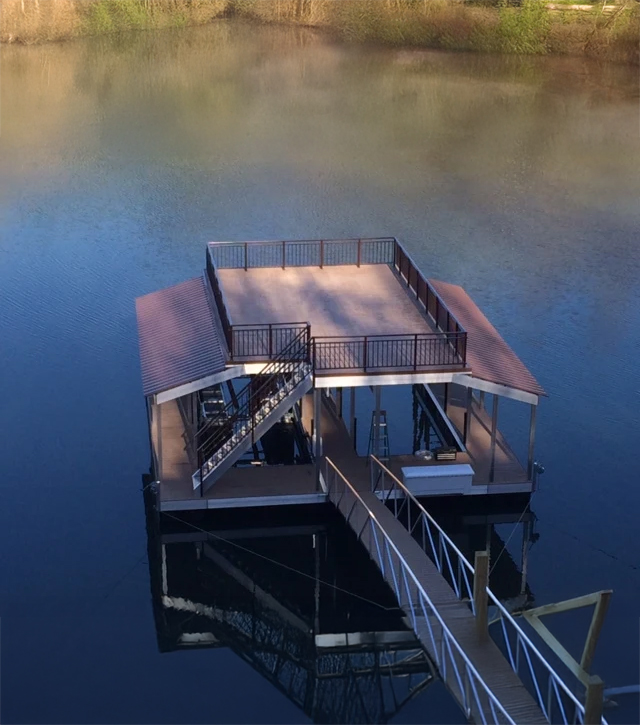
Inspecting your dock before winter is vital. It helps detect issues early. This proactive step prevents bigger problems during cold months.
Start with a thorough visual inspection. Check for cracks in wood or metal. Examine the dock’s surface for signs of wear and tear.
Pay special attention to the dock’s structure. Look for any loose bolts or fittings. Make necessary repairs to ensure everything is secure.
Here are steps to take during your inspection:
Once the inspection is complete, address any issues immediately. Repairing minor problems now can prevent extensive damage later. Consider hiring a professional if you notice structural concerns.
Regular maintenance ensures your dock withstands winter conditions. This prepares you for when you return in spring. With a well-maintained dock, you avoid unexpected setbacks and costly repairs.
Upgrading your dock before winter can enhance its durability. Consider this as an investment in its longevity. Focus on changes that tackle cold weather challenges effectively.
Replace old materials with weather-resistant options. Composite decking is a great choice. It stands up well to moisture and cold temperatures.
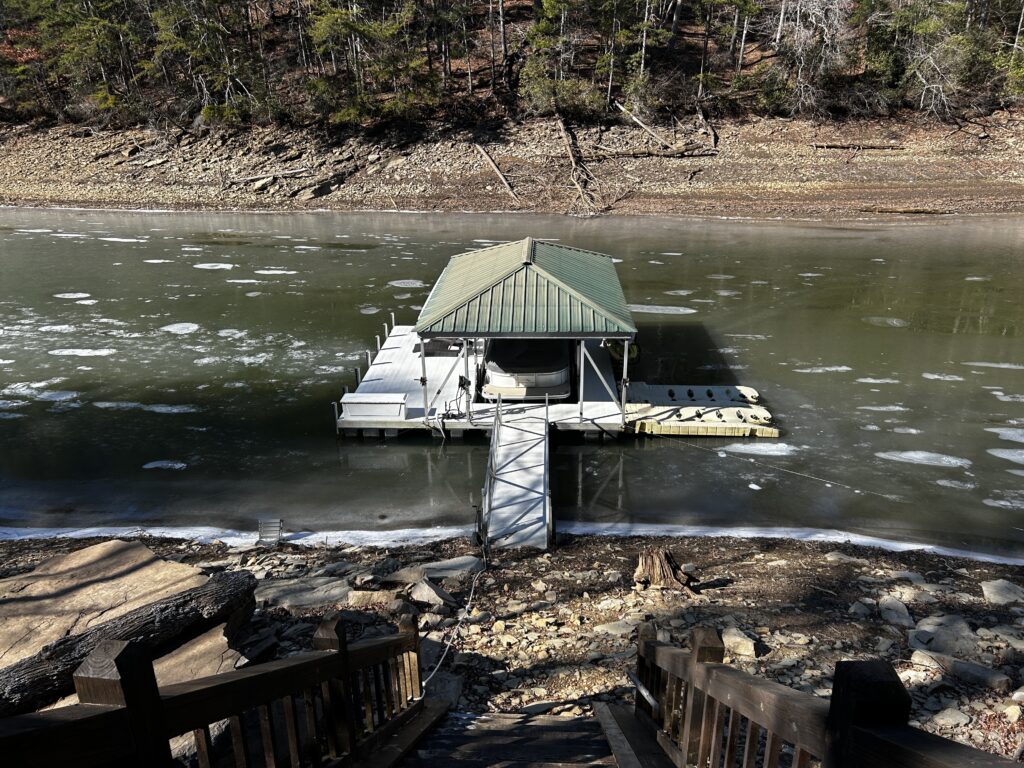
Upgrade floats to ones better suited for winter conditions. Choose floats designed to withstand freezing. This helps maintain dock stability.
Essential dock upgrades can include:
Review your dock’s current layout. Make necessary adjustments for winter preparedness. Consider modular dock systems. They allow for easy modifications and are adaptable to weather changes.
Consider professional advice for significant upgrades. Experts can suggest the best materials and solutions. This ensures your dock is ready for the harshest conditions. By addressing these upgrades now, you help prevent costly damage later.
Selecting the right floats is vital for your dock’s winter readiness. Not all floats are made for cold climates. Choose those specifically designed for freeze and thaw cycles.
Consider the material composition of the floats. High-quality polyethylene floats are a popular choice. They resist cracking in low temperatures and harsh conditions.
Routine maintenance of floats can also prevent issues. Inspect them for any signs of wear or punctures. Addressing these early can help avoid larger problems.
To maintain floats effectively:
Properly maintained floats contribute to your dock’s overall stability. Regular checks or subscribing to a dock watch program can save you time and money in repairs. Floats serve as your dock’s foundation, particularly in icy waters. Addressing float concerns ensures safe and steady dock performance throughout the winter months.
Boat lifts are crucial for safeguarding your vessel. Proper upkeep ensures they function smoothly through winter. Regular maintenance reduces the risk of expensive repairs.
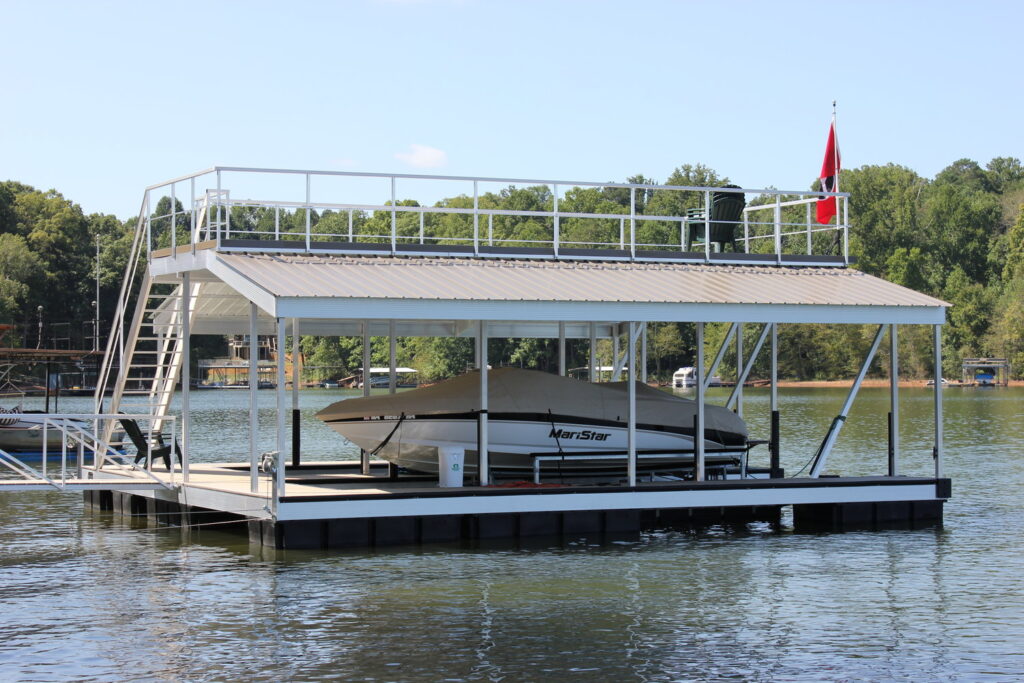
Start with a thorough inspection. Look for rust, fraying cables, or loose parts. These components often suffer in colder temperatures and can fail if neglected.
Lubricate all moving parts. Cold weather can stiffen joints and mechanisms. A quality marine grease will keep everything moving smoothly and prevent corrosion.
To maintain your boat lift:
An operational lift is integral for winter storage. Preparation now saves time and hassle later. Invest time in maintenance to ensure your lift supports your boat all season.
Winter poses various threats to boat docks. Ice and harsh weather can lead to significant damage. However, proactive maintenance can mitigate these risks.
Focus on vulnerable areas. Examine joints and fasteners, as freezing and thawing cycles can loosen them. Regular checks can prevent structural issues.
Consider using de-icers. These devices help prevent ice from forming around your dock. Keeping water moving is key to avoiding ice buildup.
Reinforce your dock with durable materials. Weather-resistant materials are less prone to winter damage. They extend the life of your dock even in harsh conditions.
Here are essential dock maintenance tips:
Maintaining your dock through winter demands attention to detail. Taking care of these elements can prevent costly repairs. Diligence now pays off with a sturdy dock ready for spring.
Redecking your boat dock before winter can enhance its durability. Older decks might weaken under harsh conditions. Replacing worn decking with new materials ensures sturdiness.
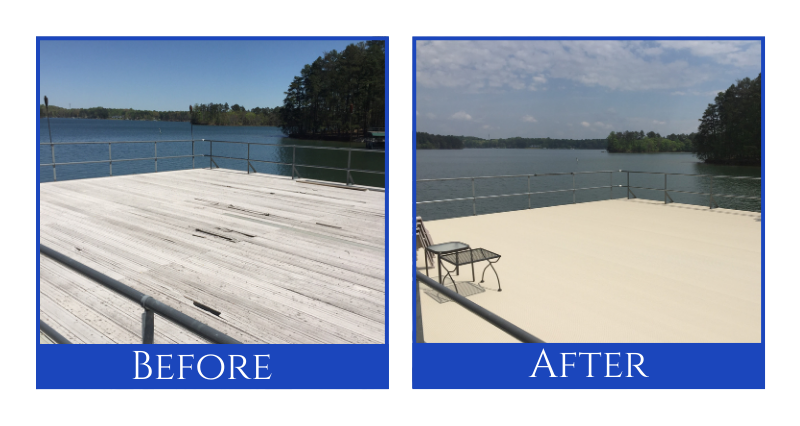
Choosing the right materials is crucial. Opt for composite materials or pressure-treated wood. These options resist rot and decay better than traditional wood. Redecking improves both functionality and appearance.
Consider these redecking benefits:
Redecking isn’t just cosmetic. It’s a practical upgrade for winter readiness. Investing in a new deck now saves on repairs later. This ensures your dock withstands Georgia’s winter challenges.
Storing your boat properly during Georgia winters is crucial. A well-protected boat lasts longer. Various storage solutions cater to different needs and budgets.
Indoor storage offers the best protection from the elements. It shields your boat from wind, rain, and temperature changes. If indoor space is unavailable, consider covered outdoor storage as a viable option.
Covered storage provides reasonable protection. However, ensure your boat is properly covered with heavy-duty tarps. These tarps should be secured tightly to prevent water and debris buildup.
When selecting boat storage solutions, keep these options in mind:
Each option has its advantages. Choose based on your budget, space availability, and boat size. Proper storage prevents damage and extends your boat’s lifespan, ensuring it’s ready for the spring thaw.
Preparing your dock for winter involves several essential steps. A checklist ensures nothing is overlooked. This process helps safeguard your dock and boat from potential damage.
First, assess the current state of your dock. Look for visible signs of wear or damage. Addressing these issues early prevents further deterioration during harsh weather.
Next, check the mechanical systems:
Such detailed inspections are vital before the onset of cold weather. Securing loose items on the dock is another key step. Remove any portable accessories that strong winds might dislodge.
Consider these additional preparations:
These measures fortify your dock against the elements. Beyond the checklist, create a regular winter maintenance schedule. Stay proactive to ensure your dock remains safe throughout the season.
Winter conditions can significantly affect water levels around your dock. Fluctuating levels can destabilize your dock structure. Monitoring these levels is crucial to maintaining dock stability.
Take these actions to manage winter water concerns:
By implementing these strategies, you reduce potential damage. This proactive approach ensures your dock remains safe and functional. Protecting your dock from ice and fluctuating waters preserves its longevity.
Leveraging professional services can ensure your dock is winter-ready. Experts provide valuable insights into maintaining dock systems efficiently. They assist with tasks that might be challenging for non-professionals.
Community resources are another great asset. Local boating forums, clubs, and online groups offer advice and shared experiences. This support can be vital during the colder months.
Consider the following resources and services:
These resources can provide both knowledge and peace of mind. Staying connected with professionals and your community can enhance your dock maintenance strategy.
Spring preparation starts in winter. As temperatures begin to rise, focus on reversing winter measures. This ensures your dock transitions smoothly to the new season.
Some tasks will help your dock remain durable and operational. Proper planning makes these transitions easier:
By addressing these tasks, your dock will be ready for spring activities. Early preparation saves time and prevents unexpected repairs.
Winter care for your dock is crucial. Protecting your investment from harsh conditions saves money and effort. Proper maintenance enhances dock longevity and ensures safety.
Implementing these winter tips can make a significant difference. Prepare thoroughly for cold months to enjoy a trouble-free spring. Your dock will thank you for the attention when warm weather returns.
The best boat dock builder on Lake Allatoona should have local lake experience, proper licensing and insurance, and a proven portfolio of custom docks and boat lifts. Look for a builder who understands fluctuating water levels, handles permitting, and offers long-term dock repair and upgrade services.
The cost of a boat dock on Lake Allatoona depends on dock size, style, materials, accessories, and whether it’s floating or stationary. Custom built docks and aluminum construction typically cost more upfront but offer longer lifespan and lower maintenance.
Many homeowners prefer floating docks because they adapt to changing water levels. Stationary docks may still be suitable in certain areas, and a local dock builder can help determine the best option for your shoreline and water depth.
All aluminum docks are among the longest-lasting options for Lake Allatoona due to their corrosion resistance, strength, and minimal maintenance requirements. Aluminum docks also allow for easier upgrades and layout changes over time.